
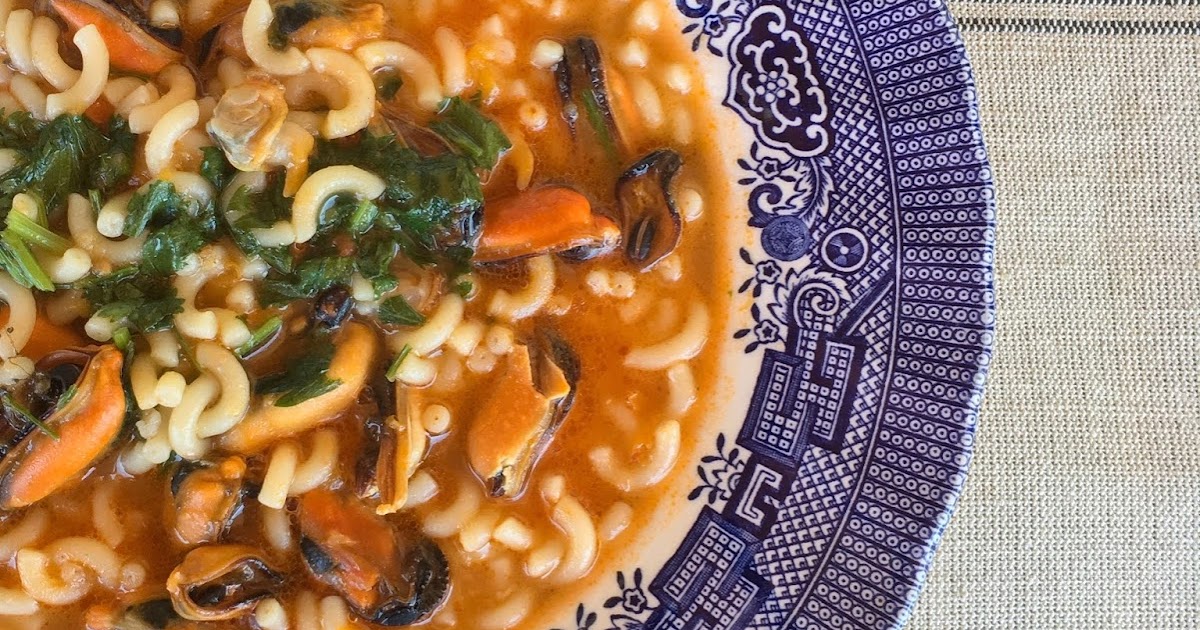
A creamy, intensely flavoured massada, fragrant with organic mussels from Sagres Bay.
Coastal comfort food, elegant enough for any table.
Ingredients
- 2 cans of Finisterra Organic Mussels in Natural Brine (Medium size)
- 350 g elbow macaroni or penne pasta
- 700 ml mussel broth (from the cans) + water
- 1 medium onion, chopped
- 4 garlic cloves, chopped
- 3 ripe tomatoes, peeled and chopped
- 2 tablespoons extra virgin olive oil
- 100 ml dry white wine
- 100 ml tomato pulp / passata
- 1 bay leaf
- 0.5 tablespoon sweet paprika
- 2 tablespoons fresh parsley, chopped
- 0.5 teaspoon salt
- 1 pinch ground black pepper
Steps
- Prepare the broth: Open the 2 cans of Finisterra Organic Mussels in Natural Brine (Medium size) and drain the liquid into a bowl. Top up with water to make 700 ml of mussel broth (from the cans) + water. Set the mussels aside.
- Make the sauce base: In a large frying pan or wok, heat the 2 tablespoons of extra virgin olive oil over medium heat. Sauté the chopped onion until softened (5 minutes). Add the chopped garlic and cook for 1 minute. Add the peeled, chopped tomatoes, the 100 ml tomato pulp, the bay leaf and the sweet paprika. Cook for 6–8 minutes until the tomato breaks down.
- Deglaze with wine: Add the 100 ml dry white wine and let it reduce for 2 minutes over high heat.
- Cook the pasta in the broth: Add the 350 g pasta and the hot broth. Cook over medium heat, stirring regularly, for the time stated on the pasta packet (usually 10–11 minutes).
The massada should be creamy, not dry — add boiling water if needed. Season with the salt and 1 pinch ground black pepper. - Finish with the mussels: Remove the bay leaf. In the last 2 minutes, add the reserved mussels and fold in gently. Sprinkle with the chopped fresh parsley and serve immediately, piping hot.
Chef’s tip: The ideal texture for a massada sits halfway between a risotto and a thick soup. If it dries out too much during cooking, add a few spoonfuls of hot broth.
HORECA variant: Replace 100 ml of water with fresh cream at the end for a richer version, suitable for serving as a generous starter.
Wine pairing: A citrusy Vinho Verde, Loureiro, or Arinto from Tejo.